New Zealand dairy tops two billion kgMS for first time

Screenshot: chair and CEO, Dairy NZ. Credit: Dairy NZ
The latest statistics from New Zealand’s Dairy Statistics 2025/26 report showed that the country’s dairy sector “has delivered a strong season. Based on DairyNZ production data, national milk solids passed the two billion kgMS mark for the first time. With most processors paying in the high NZ$9 (€4.51) per kgMS, many farms enter the new season in a strong financial position,” notes Tracy Brown, the chair of Dairy NZ.
“Looking ahead to 2026/27, we’re cautiously optimistic,” she continues. “New Zealand dairy’s fundamentals are strong, but global uncertainty, protectionism and food security concerns continue to affect trade. DairyNZ forecasts the breakeven milk price will rise to $8.79/kgMS, driven by fertiliser, feed, fuel and interest. A predicted El Niño pattern may add feed pressure, so planning will be critical.”
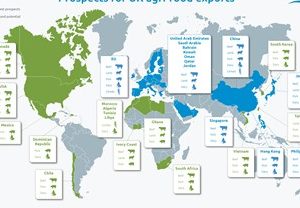
Campbell Parker, chief executive Dairy NZ adds, “Dairy farmers of New Zealand, take a bow. The 2025/26 year was an absolute standout with dairy producing more milk than ever and bringing in a record NZ$28.6 billion (€14.3bn) in export earnings. This demonstrates the incredible work farmers do behind the farm gate every day, improving efficiency, animal welfare and environmental sustainability.
“Certainly, the season wasn’t the easiest, with extreme weather, higher on-farm costs, and fluctuating Global Dairy Trade auction indices; but the sector remained New Zealand’s economic powerhouse, with one in every four dollars contributed through goods and services coming from dairy.
“As a cornerstone of the national economy, the dairy sector has a responsibility to perform, progress, innovate and deliver economically and environmentally. To this end, we’re proud to be leading the multi-year Responsible Dairy programme, which aims to speed up innovation, lift adoption, and deliver productivity and environmental gains faster across the sector. Aligning with DairyNZ’s strategy, it is focused on building resilience in New Zealand’s most valuable export sector, ensuring it remains profitable for farmers, environmentally responsible and socially supported.”