Organic sector ‘in need of government help’
It is a sob story many companies and consumers will find hard to swallow. But if Soil Association chairman Craig Sams is to be believed, then the UK’s booming organic food industry is in trouble. Urgent action, says Sams, is needed if organic producers are to survive.
This was the message last month as the Soil Association, the UK’s leading organic certification body, launched its annual survey: The organic food and farming report 2001.
The report reveals that, in the year to April 2001, the value of the UK’s retail market for organic food grew by a third to r1.3 billion.
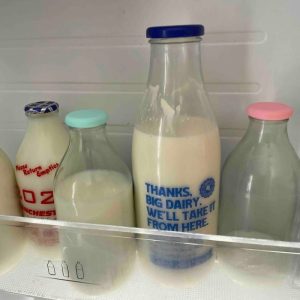
The amount of organic milk produced in the UK more than doubled from 32.5 million litres to 70 million litres. Correspondingly, the farm gate value of organic milk rose from r15 million to r33 million.
But while the market as a whole is booming, it is claimed that major retailers are cashing in on consumers’ latest preferences at the expense of organic farmers. About 70% of organic produce sold through supermarkets, claims the Soil Association, is imported. Dairy accounts for 35% of this figure.
The study identifies a number of reasons for this, including an influx of processed commodities, such as cheese, and contracts established between processors and overseas milk suppliers prior to the increased availability of UK organic milk. The strong pound also made foreign milk a favourable option, says the report.
But cheaper imports have left many UK organic farmers struggling to find outlets for their produce. For example, a small proportion of organic milk had to be sold onto the non-organic market in the final quarter of the year under review.
In an effort to solve the problem, the Soil Association has submitted a number of proposals to the UK government, which is due to report on the matter at the end of this year.
Suggestions include ongoing financial support for UK organic farmers to bring them into line with organic farmers in other European countries. Currently, payments are only made during conversion.
The association is also calling for processors and supermarkets to pay a fair price for organic produce and to source UK goods over imports.
It also wants to expand regional production. “An increase in cheese and yogurt making units, for example, would help organic milk suppliers find an outlet for their product,” said Sams.