Functional in demand from older US consumers
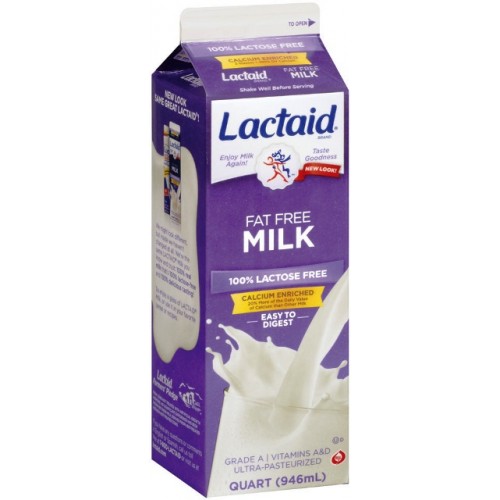
Manufacturers should develop functional dairy products to meet the needs of the US’s aging population, whose consumption alone was worth almost $ 8.7 billion (€6.4bn) in 2013, industry analyst Canadean says. Consumers aged 55 and above make up over a fifth of dairy consumption in the US, and this number is set to increase.
Older US consumers are looking for dairy products with their nutritional benefits. The elderly want products with calcium to help maximise healthy bone strength, as well as riboflavin to maintain good nerve function and limit the risk of cancer, dementia, and heart disease. Catherine O’Connor, senior analyst at Canadean, notes, “Bone health is a fundamental need here. Products that are enriched with extra calcium to help with tooth-retention and prevent from osteoporosis will prove particularly popular. There will also be increasing demand for products containing omega-3 and DHA to maintain brain health.”
However, marketers are advised to be sensitive in how they position products to the older population. Dairy food should carry both a preventative and therapeutic message to target healthy consumers and meet the needs of those already suffering from issues such as bone decay. “Manufacturers should communicate the health benefits of products by centring campaigns around keeping active and health maintenance, rather than focusing on older consumers’ vulnerabilities”, adds O’Connor.
The packaging requirements of older consumers should be considered, whose appetites should be met with smaller packs. As a result, the elderly will require packaging that is lightweight and easy-to-open, particularly those with declining wrist strength or a decreased ability to carry heavier items. For example, packaging brand Shinsen produced caps with seal and gas flushing technology, which is used for maximising dairy products’ shelf life. According to O’Connor: “Packaging manufacturers should innovate with seals that increase shelf life in order to require fewer shopping trips for those who find getting about difficult.”
For further information please visit www.canadean.com