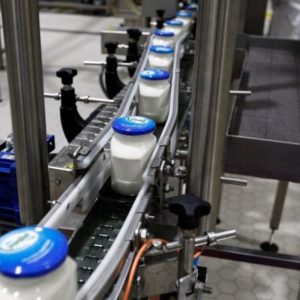
What’s in the package
Credit: Andrea Izzotti, stock.adobe.com
A slew of packaging regulations is coming down the path this year for most food and drinks manufacturers, no matter where they are on the planet. Phillip Crum, director of data insights at Valpak, notes, “Global EPR regulations are evolving rapidly. Seven US states have already passed bills for pEPR (Extended Producer Responsibility for Packaging), while the new Packaging and Packaging Waste Regulation (PPWR) is bringing much more complex demands and diverse challenges for obligated businesses in the EU. Valpak customers are looking for solutions – for example, with the arrival of PPWR, we have seen enquiries rise by over 40 per cent in just eight months. This trend is showing no sign of abating.”
Indeed, as people up and down the supply chain seek to lower their carbon footprints, this trend will continue its ascent, rather than decrease. Scope 1 and 2 are being done by companies worldwide, and now it is everything from the farm to the fork that is being examined for carbon and resource reductions for scope 3.
Packaging is a key aspect of this systemic inspection, as explained by the UK’s National Grid website (in charge of the energy network in the country): “Scope 3 encompasses emissions that are not produced by the company itself and are not the result of activities from assets owned or controlled by them, but by those that it’s indirectly responsible for up and down its value chain. An example of this is when we buy, use and dispose of products from suppliers. Scope 3 emissions include all sources not within the scope 1 and 2 boundaries.”
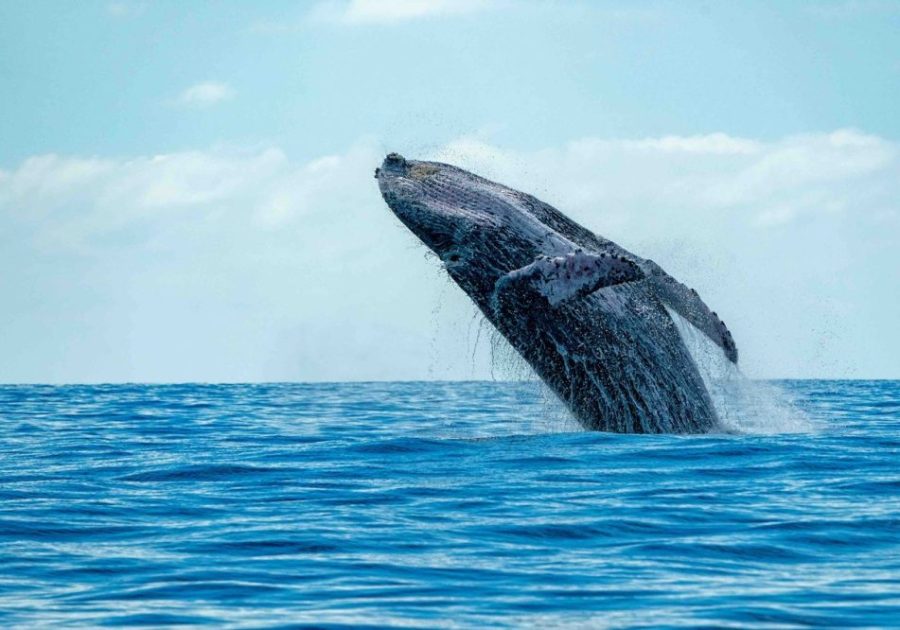
It is a terrific challenge, but I feel like with other things humans have done right lately, it can be done. We’ve flown people the furthest away from the earth, ever, in the past week or so. We have seen a rebound in global whale populations from 10,000 in the 1970s to around 80,000 now. The ozone layer hole, which was quite big, is now set to recover to previous smaller levels due to the Montreal Protocol (1987) and the banning of ozone depleting chemicals. It seems that, once we stop doing stupid, destructive things, we can continue to make our home planet better.
- Suzanne Christiansen, editor, Dairy Industries International. Keep in touch via email: [email protected] Twitter: @dairyindustries Linkedin: @dairyindustriesinternational