GEA relocates application and tech centre to Sarstedt, Germany
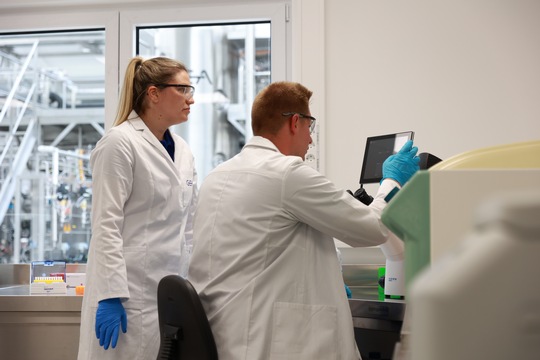
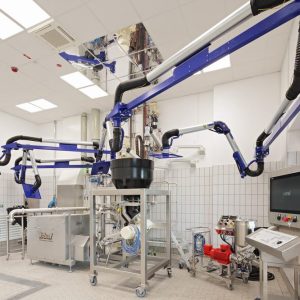
GEA has moved its application and technology centre (ATC) for new food and biotechnology from Hildesheim to Sarstedt in Lower Saxony, Germany. The centre has been in operation since 2023; three years of pilot projects and customer work feed directly into its continued work in Sarstedt. It helps companies in the food, ingredients and biotechnology sectors develop and test pilot-scale production processes for precision fermentation, cell cultivation and other biomanufacturing applications.
GEA invested €4 million to convert and equip an existing building at the Sarstedt site where process expertise in beverages, liquid dairy and new food has grown over several decades, it says. About 200 employees work there in engineering, sales, automation and service. The ATC brings around 40 more colleagues to the team.
Locating the ATC in Sarstedt puts new food and biotechnology activities directly alongside established engineering and process capabilities. Customers can draw on the same GEA teams from early pilot trials through to full industrial plant design.
“New Food and biotechnology need places where you can find out whether a promising process can actually become a viable industrial application,” said Klaus Stojentin, CEO of GEA’s Nutrition Plant Engineering Division. “In Sarstedt, we bring pilot infrastructure and engineering expertise under one roof. That gives our customers a stronger basis for their next decision.”
Precision fermentation and cell cultivation get most of their public attention in the context of alternative proteins. Their applications extend well beyond that. Biotechnological processes can produce proteins, enzymes, amino acids, vitamins, flavours and other functional ingredients for food, feed and healthcare. Many of the underlying process steps are similar. But the right design depends on the organism, the product and the target application.
The new food sector is moving more slowly than many early forecasts suggested. Financing, regulation, production costs and scale-up all influence how quickly new processes reach the market. For GEA, the core question is whether biotech processes can move safely, reliably and economically from the lab into industrial use.
The goal is not to replace conventional food production or agriculture. New biotech processes can open additional production pathways for specific ingredients, particularly where climate risks, animal health pressures, raw material shortages or fragile supply chains put existing systems under strain.
At the opening, representatives from industry and biotechnology explored how Europe can build stronger scale-up pathways. Among the partners represented were the Biotechnology Fermentation Factory (BFF) in Ede, Netherlands, which is building open-access food-grade pilot capacity on the NIZO Food Innovation Campus, and Solar Foods in Finland, which is producing its fermentation-based protein Solein at industrial demonstration scale.