The smart way to stay fresh
Credit: dsm-firmenich
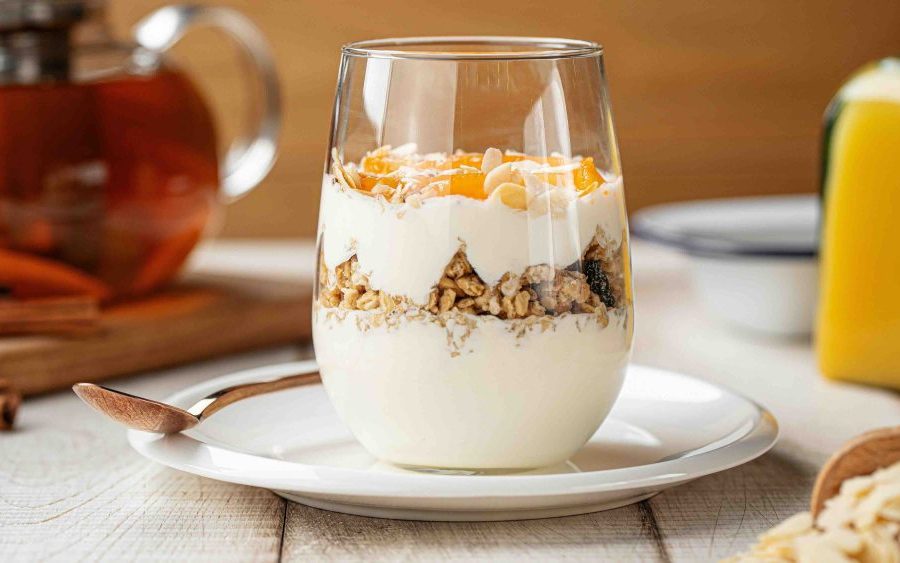
A refreshing glass of kefir at breakfast. Indulgent yogurt enjoyed by the spoonful. Or creamy crème fraîche dolloped onto a favorite dish. Dairy moments are defined by familiar tastes and textures consumers know and trust.
Today, however, expectations extend well beyond taste. Shoppers increasingly expect dairy products to stay fresher for longer, even when consumed on the go or stored outside the fridge, while preserving traditional sensory quality and supporting more sustainable choices. Delivering on all of this without long ingredient lists or unnecessary waste remains a significant challenge.
Shelf life has become a critical pressure point. What was once a logistical exercise is now a strategic balancing act – protecting freshness without compromising taste, ingredient integrity, or sustainability goals. Conventional approaches, including artificial preservatives, are often at odds with these expectations. This raises a fundamental question: is there a smarter way to keep dairy fresh?
This is where biology offers an answer. Bioprotective cultures work with nature to defend freshness from within. Leveraging decades of biotechnology and fermentation expertise, dsm-firmenich is working closely together with manufacturers to address today’s shelf-life challenges through advanced bioprotective cultures. The skill is working these solutions to enable longer-lasting dairy without sacrificing what matters most to consumers.
Shelf life under pressure
As dairy supply chains become more complex and export markets expand, the pressure to extend shelf life is intensifying. At the same time, consumer preferences are changing, with shoppers paying close attention to what goes into their dairy products and questioning how freshness is achieved. In fact, more than two thirds (67%) of European consumers say that they now actively avoid foods containing unfamiliar ingredients (EIT Food Consumer Observatory, 2024) and many associate “natural,” “healthy,” or “organic” labels with greater food safety (IFIC Food & Health survey, 2024). These clean label demands, coupled with regulatory changes across different regions, are placing conventional preservation methods under the spotlight. While traditional shelf-life solutions have long been a reliable way to extend freshness, they don’t always align with growing expectations for simplicity and transparency.
However, this isn’t just a labeling challenge, it’s a technical one too. If products stay on shelves for longer, risks such as post-acidification and flavour, along with texture changes, become harder to manage for dairy producers. This is especially critical in fermented dairy products, where sensory quality can deteriorate long before the end of shelf life.
This creates a growing tension. Dairy manufacturers need preservation strategies that deliver microbial stability without compromising taste, texture, or label simplicity. This means moving beyond just making shelf life longer, and embracing smarter, more natural ways to keep dairy fresh.
Smarter shelf life starts with nature
Bioprotection puts nature back in charge of freshness. Rather than relying on artificial preservatives, dairy producers can leverage carefully selected cultures that work naturally to protect products from spoilage – reducing waste, safeguarding sensory quality, and supporting more efficient production. This is not a new or experimental approach. It is rooted in the same fermentation science that has underpinned yogurt and cheese for generations, and an area where dsm-firmenich brings long-standing expertise.
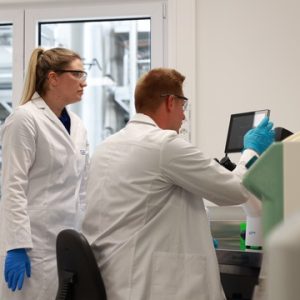
That expertise is shaped by a clear understanding of how dairy behaves across the entire value chain, from production and distribution to retail refrigeration and consumption at home. Working in partnership with dairy producers, dsm-firmenich defines performance targets, spanning shelf life, sensory stability, post-acidification, and texture control. These targets are translated into data-driven objectives and processed through advanced machine-learning workflows, enabling the design of culture blends that can meet multiple, often competing goals at once.
This integrated approach comes in solutions such as Delvo ONE, a culture range that delivers shelf life, sensory performance and health benefits in a single format. Its built-in bioprotection naturally inhibits yeast and mould growth, helping to reduce spoilage while maintaining freshness. Crucially, cultures are selected and balanced to work in harmony, minimising unwanted interactions and keeping post-acidification under control right through to the end of shelf life, which is one of the most persistent challenges in modern dairy.
Post-acidification pressures can be even greater for producers expanding into new markets, where longer transport times and warmer climates increase the risk of excessive acid development before products reach the shelf. To address this, dsm-firmenich developed Delvo Fresh Pioneer, a starter culture range designed to maintain stable pH and acidity in yogurt for up to 60 days under cold and ambient storage. By preventing the development of overly sour notes, even under demanding distribution conditions or warmer climates, the culture supports greater flexibility in market reach, while helping products retain their intended taste and mildness over time.
Together, these culture solutions act as natural guardians, protecting dairy from the inside out. They help products hold on to the qualities consumers value most, such as fresh taste, creamy texture, and consistency, while delivering tangible benefits for manufacturers. The result is dairy that stays enjoyable for longer, with clearer labels, less waste, greater consumer confidence, and more predictable performance across the supply chain.
Shelf life without sacrifice
Shelf life can no longer be treated as a single technical metric. Extending freshness at the expense of taste, texture, or label integrity fails to meet today’s expectations. For dairy manufacturers, the challenge is not simply to make products last longer but to make them last better.
By working with nature rather than against it, bioprotective cultures offer a smarter path forward. Backed by deep fermentation expertise and a systems-level understanding of dairy performance, it is about helping the industry redefine freshness as a careful balance of safety, sensory quality, and sustainability – delivering dairy products that perform consistently from production through to consumption and setting a more holistic standard for shelf life.
Author:
Dr Tom Eckhardt is product application expert for bioprotection, fermented milks & alternatives at dsm-firmenich