
Wellness trends
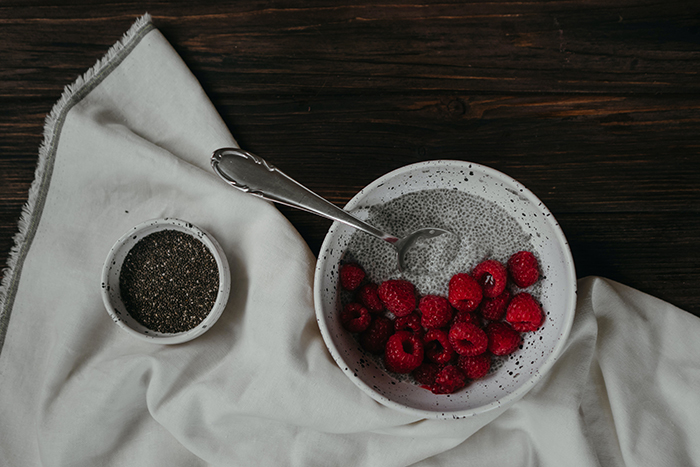
Image: Polina Kovaleva, Pexels
I was listening to BBC Radio 4 this morning, and reporter Helen Lewis on her series, The New Gurus, was discussing how wellness has continued to be a growing market. It was worth $4.2 trillion in 2020 globally, and contains everything from naked outdoor yoga gurus in Canada to the actress Gwyneth Paltrow’s collection of Goop products and services. (bbc.co.uk/sounds)
It’s a golden age for gurus, as trust in institutions wavers. It’s part of a search for certainty in an uncertain world, she notes. However, it has been criticised for leading people down dark paths, extreme diets, anti-vaccines and even eugenics. How are these trends changing our lives and who holds them to account, she asks.
Particularly in the US, the wellness culture has a long history. There’s a lot of self-belief in you changing your own outlook via wellness. Being well means having control, keeping the body clean and pure, and these trends are nothing new, Lewis says. The internet is fertile ground for this. It has exploded in popularity over the last decade.
Women can in particular be affected by this. Lewis explains that women have an edge in that they often have unspecified medical issues, with the dietary industry has long been targeted at them. Then there is also the medical issue, where the average doctor appointment is 10 minutes, so often people don’t feel they are heard. Instead, they can go on Dr Google and find out information in minutes and find these alternatives.
That being said, one wellness influencer’s “downfall” was cheese. Pixie Turner accidentally ate cheese for the first time in two years and it was so good, it reminded her how wonderful cheese was, and how she had excluded it from her life for no reason whatsoever. Turner discovered fellow influencers not only rejected dairy, meat or processed food, but also things such as vaccinations and other medical standards. She has since trained and works as a registered nutritionist, and describes her previous area as a “cult.”
Might be a time to start our own cult, that of cheese. I believe in it and eat it regularly.
- Suzanne Christiansen, editor, Dairy Industries International.
Keep in touch via email: [email protected]
Twitter: @dairyindustries or LinkedIn: Dairy Industries International magazine
