Study shows little difference for organic products
There is little point in paying more for organic food than conventional food, according to a new study by researchers from Stanford University. “There isn’t much difference between organic and conventional foods, if you’re an adult and making a decision based solely on your health,” Dr Dena Bravata, the senior author of a paper comparing the nutrition of organic and non-organic foods, notes in the Annals of Internal Medicine.
The comprehensive meta-analysis of existing studies comparing organic and conventional foods. They did not find strong evidence that organic foods are more nutritious or carry fewer health risks than conventional alternatives, though consumption of organic foods can reduce the risk of pesticide exposure. The Stanford study stemmed from Bravata’s patients asking her again and again about the benefits of organic products. She didn’t know how to advise them.
The researchers sifted through thousands of papers and identified 237 of the most relevant to analyse. Those included 17 studies (six of which were randomised clinical trials) of populations consuming organic and conventional diets, and 223 studies that compared either the nutrient levels or the bacterial, fungal or pesticide contamination of various products (fruits, vegetables, grains, meats, milk, poultry, and eggs) grown organically and conventionally.
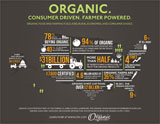
Meanwhile, between 1997 and 2011, US sales of organic foods increased from $3.6 billion to $24.4 billion. Organic foods are often twice as expensive as their conventionally grown counterparts.