Indonesia rolls out school milk programme
Credit: Hendra Susanto0311, stock.adobe.com
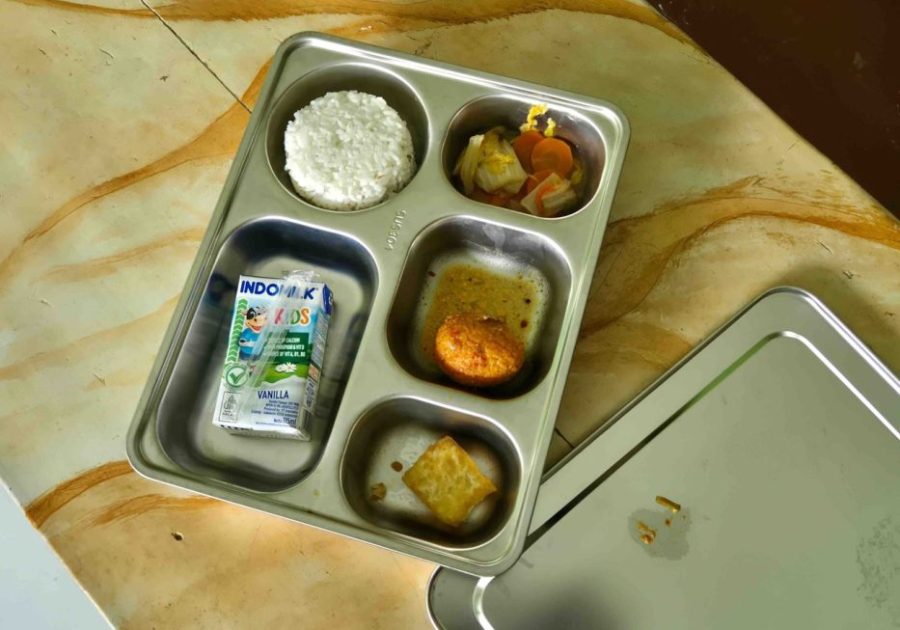
Food and agribusiness banking specialist Rabobank says Indonesia’s school milk programme, which is currently being rolled out across 400,000 schools in Indonesia, and is part of the recently-elected Indonesian government’s Nutritious Meals Programme, is aimed to combat malnutrition and promote healthy eating among the country’s 60 million school children, as well as in pregnant women.
The school milk plan is expected to significantly increase Indonesia’s total dairy consumption, creating opportunities for Australia and other global dairy players, according to a new report by Rabobank’s RaboResearch division.
In the report, “Indonesia’s new school milk program could nourish minds and global dairy markets,” Rabobank says the new Indonesian government has introduced a range of policy measures with the potential to transform the country’s dairy supply chain.
“The centrepiece is the Nutritious Meals Program, which aims to provide food, including milk, to 60 million students on every school day by 2029, report author RaboResearch senior analyst Michael Harvey said.
RaboResearch estimates the total milk required at full implementation could surpass two billion litres.
“This estimate is based on an anticipated 83 million recipients accounting for school absenteeism, lactose intolerance, and an average serving size between 125ml and 200ml,” Harvey said.
While the school milk programme is likely to result in an increase in domestic milk supply and provide a tailwind for local Indonesian dairy players, Harvey says, Indonesia’s dairy import demand is also expected to rise.
“Fundamentally, RaboResearch expects Indonesia to remain a net importer of dairy and anticipates that annual import volumes are likely to grow over the medium term.” he said.
The report says Indonesia is recognised as a high-growth dairy market compared with advanced economies, driven by its large population and rising disposable incomes.
RaboResearch estimates the total milk required at full implementation could surpass two billion litres.
“This estimate is based on an anticipated 83 million recipients accounting for school absenteeism, lactose intolerance, and an average serving size between 125ml and 200ml,” Mr Harvey said.
The report says the school milk program has the potential to significantly increase Indonesian demand for liquid milk, both domestically produced and imported.
“The majority of milk consumed in Indonesia in 2024 was imported, with domestic production estimated at 900 million litres, and an additional 2.5 billion litres (liquid milk equivalent) imported,” Mr Harvey said.
Indonesia was Australia’s fourth largest dairy export market in 2023/24, after China and Japan, taking over 60,000 tonnes of Australian product. Australia has also been a long-standing exporter of dairy cattle to Indonesia.