Trials underway for removing cereulide from infant formula
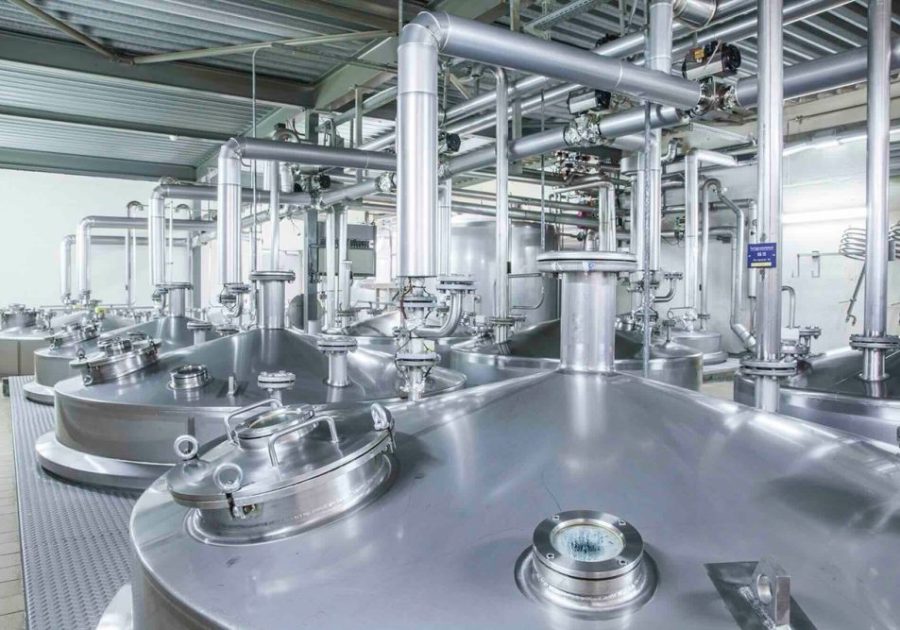
Credit: Nutriswiss
Detection of the bacterial toxin cereulide in infant formula products from several European manufacturers recently triggered not only a significant loss of consumer confidence but also a wave of global recalls. The source of the contamination was traced to arachidonic acid-containing oils used in the formulations. Cereulide is generally considered impossible to remove by conventional means, hence the enforced destruction of contaminated batches. However, Nutriswiss is currently conducting trials on how best to eliminate such contamination, with promising results.
So-called ARA oils with a very high content of arachidonic acid (ARA) are widely used to enrich infant formula and food supplements with long-chain omega-6 fatty acids from non-animal sources. These fatty acids play an important role in the development of the immune system, eyes and brain during infancy and early childhood. Contamination of ARA oils by cereulide-producing Bacillus cereus strains, and the subsequent concentration of the toxin during the production process, can cause emetic poisoning – for example, nausea and vomiting – with effects that are significantly more severe and dangerous in infants and young children than adults. Once this extremely resilient toxin is present in a product, it cannot be removed by conventional refining steps such as deodorisation, acid or alkali treatment, washing or filtration.
With the entry into force of Commission Implementing Regulation (EU) 2026/459 of 24 February 2026, ARA oils originating from China in which cereulide is detectable – ie, present above the limit of quantification (LOQ) of 0.1µg/kg – are effectively no longer marketable.
Nutriswiss AG, a specialist in the refining of edible fats and oils, processes a range of oils for the food, pharmaceutical and cosmetics industries. Its processes enable the gentle refinement of oils and also efficiently reduce process contaminants, pesticides, mineral oil residues, plasticisers and other undesirable substances. While Nutriswiss itself is not affected by the cereulide issue, it does refine customer-supplied oils from fermentation processes for infant formula on a contract basis.
Through a supplier contact, the Nutriswiss R&D team obtained a sample of contaminated ARA oil. A short-term study was conducted to investigate how cereulide could be removed through technological measures.
Frank Möllering, head of research and development at Nutriswiss, is confident of success, saying, “Through a specific combination of process steps, process conditions and various processing aids, we have so far managed to slash the original cereulide content of the sample from 200ppb to below 0.3 pb during refining. This corresponds to a reduction of approximately 99.99%.” Further trials are now under way to optimise the process sequence.
The Nutriswiss team hopes to reach the analytical limit of quantification for cereulide of 0.1ppb in the near future. By achieving near-complete removal of this chemically stable contaminant, affected ARA oils could be purified and marketability restored.