Sanitary drains for dairy production
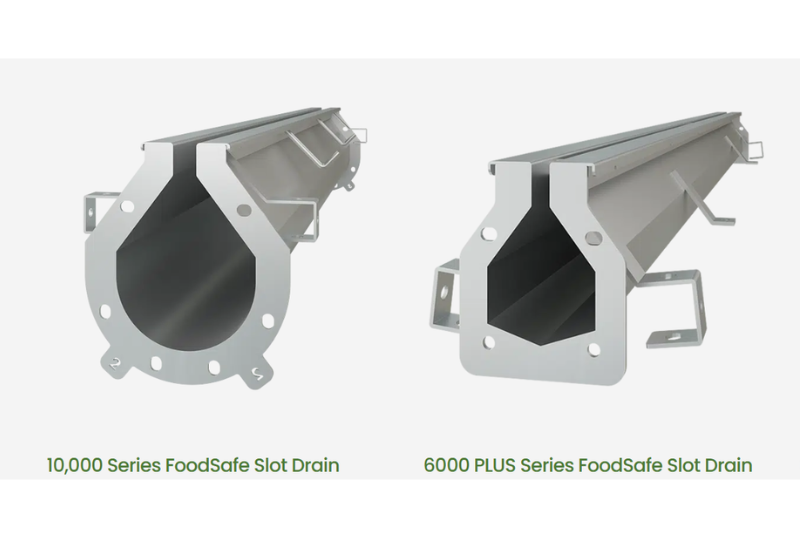
Image: Foodsafe Drains
In recent years, the food and beverage industry has experienced a rise in outbreaks of foodborne illnesses, including listeria and other harmful contaminants. These events pose significant public health concerns and can result in considerable financial and reputational consequences for affected businesses.
Investigations frequently identify drainage systems as a key source of contamination in food production facilities, with the majority of positive bacterial samples traced back to floor and drainage areas.
Outdated or poorly designed drainage systems can harbour harmful bacteria, making effective upgrades essential for maintaining hygiene and safety standards. Whether in new facilities or legacy sites, implementing modern drainage solutions can reduce contamination risks and facilitate easier, more effective cleaning.
In addition to hygiene considerations, older systems – particularly those with grates – can be difficult to maintain, pose safety hazards for workers and lead to equipment damage. Upgrading these systems can improve both operational efficiency and workplace safety.
Food processing sites often face the challenge of upgrading critical infrastructure while maintaining operational continuity. Drain system replacements are complex, involving several trades and processes—from site evaluation to installation and finishing work.
An effective upgrade begins with a design tailored to the facility’s specific needs. This involves working with specialists who understand the food production environment and can recommend the most suitable systems.
- Area drains are suitable for smaller spaces, such as washdown zones or individual processing areas.
- Trench drains are used in larger spaces, including production and packaging areas, to handle higher water flow and prevent pooling.
- Slot drains are a modern alternative offering durability, hygiene and ease of cleaning. Their grate-free design is both practical and aesthetically suitable for customer-facing areas.
FoodSafe Drains’ Slot Drain Systems are constructed from NSF/ANSI-approved stainless steel and feature a patented no-niche design. Their seamless construction, sloped bottoms and smooth corners minimise standing water and bacterial build-up. These drains are also forklift-rated and supported by purpose-built accessories, such as flexible cleaning brushes and locking strainers, which enhance both safety and ease of maintenance.
Selecting the appropriate system based on factors like flow rate, load capacity and chemical resistance is crucial to long-term performance and cleanliness.
Engaging a specialist provider with expertise in food and beverage facilities is essential to delivering the project on time and to standard. An all-in-one partner will manage the entire process—from site assessment and design through to installation—reducing the risk of delays or errors.
Experienced providers like FoodSafe Drains can carry out upgrades within short timeframes, typically two to three days, during planned shutdowns. This minimises operational downtime and avoids disruptions to production, quality control and customer supply.
Installing a modern drain system is only the first step. To maintain high standards of hygiene and operational performance, regular maintenance is essential.
Modern slot drain systems – especially when paired with purpose-designed tools – can significantly reduce cleaning time and costs. FoodSafe Drains systems, for example, are designed to be easily cleaned using flexible brushes and fitted paddles, reducing labour demands and improving consistency.
These innovations support longer system life, better hygiene and safer working conditions. The design is particularly beneficial in today’s labour market, where ease of use and maintenance can reduce the burden on staff.
By focusing on smart design, expert-led installation and consistent maintenance, food and beverage businesses can upgrade their sanitary drainage systems without interrupting production. In addition to enhancing hygiene and safety, such upgrades support long-term operational efficiency and a strong return on investment.