Cheese and powders volumes boomed while total UK dairy exports declined, says AHBD
Credit: barmalini, stock.adobe.com
Total export volumes of dairy products from the UK for the second quarter of 2026 witnessed the first quarterly decline year-on-year since the decline in the first quarter of 2025, reports the UK Agricultural and Horticultural Development Board (AHDB). Exports of dairy products to the EU saw a major decline of 94,400 tonnes while that to non-EU nations increased marginally by 1,400 tonnes. The decline in exports was mainly driven by milk and cream, yogurt, whey and butter.
An increase in export volumes of powders and cheese limited the overall decline. In terms of value, decline in exports was seen in milk and cream, whey, butter and cheese.
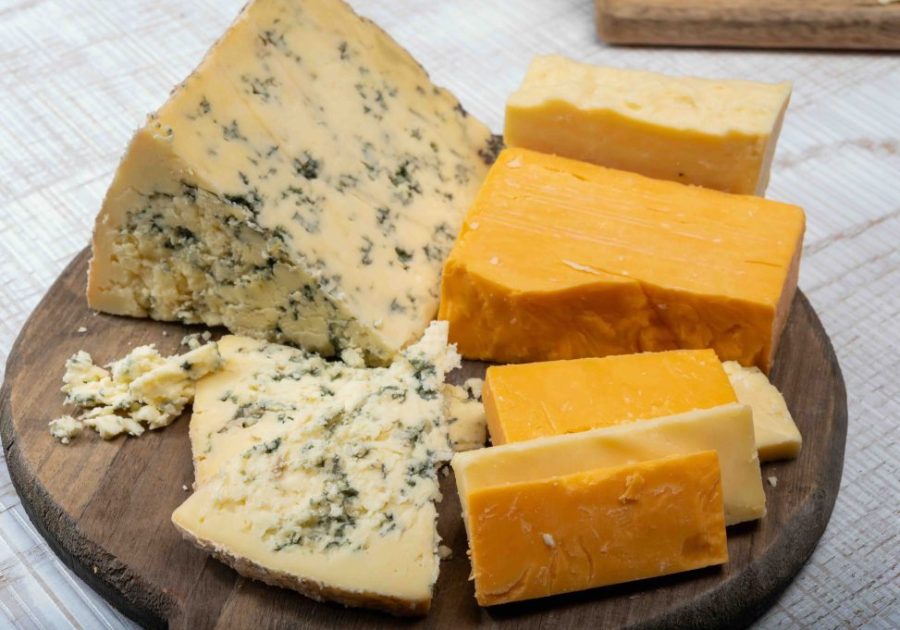
Exports of cheese have continued to grow since the second quarter of 2025 and recorded an all-time high in the second quarter of 2026. Export volumes of total cheese increased by 15.3% (+8,000 tonnes) year-on-year. However, value declined by 4% due to a reduction in commodity prices on global markets.
Globally, the biggest increase in cheese volumes were reported to the EU including the Netherlands (+1,800 tonnes), France (+1,600 tonnes), Belgium (+1,000 tonnes), Germany (+600 tonnes), Austria (+300 tonnes), Spain (+300 tonnes), Ireland (+200 tonnes) and Turkey (+200 tonnes).
This was followed by an increase to non-EU nations such as Asia and Oceania including China (+1,000 tonnes) and Singapore (+400 tonnes) and North America including Canada (+100 tonnes).
Exports also picked up to the Middle East and North Africa (MENA): Libya (+1,900 tonnes), Bahrain (+1,400 tonnes), Saudi Arabia (+800 tonnes), Egypt (+200 tonnes) and Sub-Saharan Africa including South Africa (+400 tonnes).
The logistical challenges faced due to the ongoing conflict in the Middle East capped the increase in overall exports to the region.
The US continues to produce cheese at a highly competitive price following expansion in their capacity, and this will pose a challenge for UK domestic exporters, particularly in the industrial segment, AHDB notes.
Powders saw the biggest increase year-on-year in volumes terms, up by 9,400 tonnes (22.2%): bound for both EU nations such as Denmark, France, Germany, Italy, the Netherlands, Poland and Spain, and non-EU nations including Bangladesh, Egypt, Lebanon, Libya, Malaysia, Mexico, Oman, Qatar, Thailand, Vietnam and Yemen.
Record milk deliveries in the last milk year (2025/26) has resulted in plentiful supplies at a competitive price. Exports to China, one of the major dairy importers in the global market, continue to be still lower due to weaker consumer demand and declining and ageing population.
The increase in exports of powders and cheese was completely masked by a decline in exports of other commodities including butter. Export volumes of butter declined by 4.3% (-600 tonnes) in the second quarter of 2026 year-on-year. Value declined by 37% as the average price of butter remained weak in the second quarter of 2026 compared with the previous year.
The biggest declines were reported from the EU: Belgium (-1,800 tonnes), Italy (-1,000 tonnes), France (-400 tonnes) and Ireland (-300 tonnes).
However, an increase in exports to Australia (+200 tonnes), EU: the Netherlands (+700 tonnes), Germany (+300 tonnes) and Denmark (+200 tonnes), MENA: Libya (+500 tonnes), Egypt (+200 tonnes), Kuwait (+300 tonnes), Saudi Arabia (+200 tonnes), United Arab Emirates (+100 tonnes) and Sub-Saharan Africa including South Africa (+200 tonnes) helped to limit the overall decline in exports.
Exports of yogurt witnessed a significant decline of 49.7% (-5,300 tonnes) in the second quarter of 2026 after a brief period of increase in the last quarter. Exports to the EU: Ireland (-4,900 tonnes) and Asia and Oceania: Malaysia (-700 tonnes) and Middle East and North Africa: Egypt (-100 tonnes) declined during the period in comparison to the same period previous year.
Milk and cream and whey also contributed to the decline of exports. Milk and cream witnessed the biggest decline of 43.5% (-102,000 tonnes) and whey declined by 14% (-2,500 tonnes) in the second quarter of 2026 year-on-year. In terms of value, both milk and cream and whey categories declined, AHDB concludes.