

European dairy sector reacts to EU–US Tariff Framework Agreement
Credit: Anim, stock.adobe.com
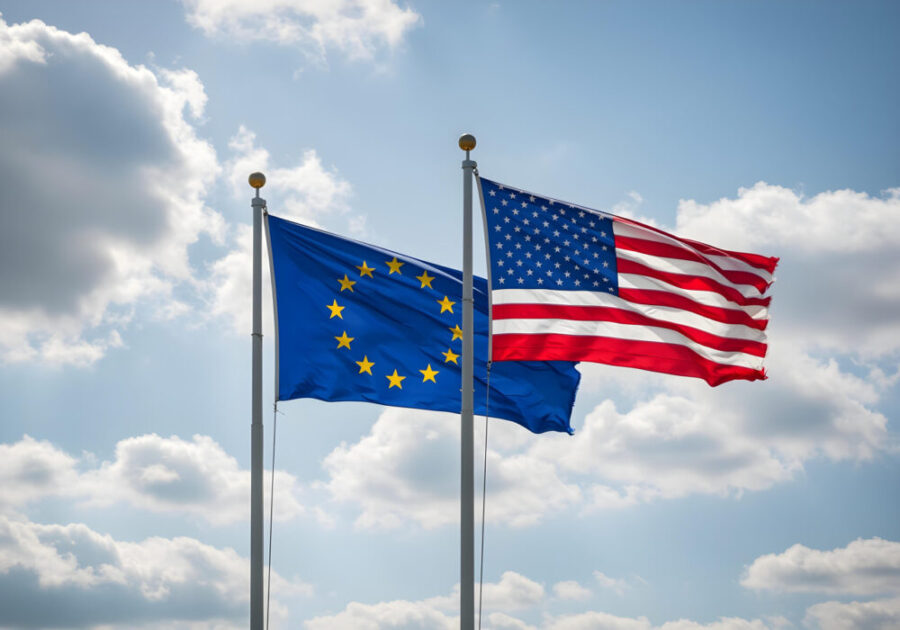
The European Dairy Association (EDA) takes note of the publication of the legal texts of the new EU-US Framework Agreement. The agreement offers greater predictability by removing the threat of escalating tariffs and closing the chapter on past surcharges. For our sector, stability in transatlantic trade is a welcome outcome.
At the same time, it introduces substantial new market openings on the EU side, the EDA says. The creation of 20,000 tonnes of tariff-free tariff-rate quotas for US dairy products is more than a symbolic gesture. It represents a significant commitment of new market access beyond existing WTO quotas, reserved exclusively for US origin.
We recognise this is more than a sign of goodwill by the European Commission, it inevitably raises questions. Other trading partners may seek similar treatment under WTO non-discrimination rules, and the EU and Member States will need to assess the long-term impact on their dairy industry. To put this into perspective: in the EU-Mercosur negotiations, the EU obtained only 10,000 tonnes of cheese access into Mercosur after more than two decades of talks, while in the present agreement we are offering the same volume to US exporters immediately, underlining the weight of this new step.
On the US side, the tariff ceiling of 15% provides certainty compared to the threat of higher duties, but some EU dairy products that previously entered under lower rates may now face increased costs. Out-of-quota exports continue to be subject to high US Most Favored Nation duties, which means European exporters’ competitiveness in the American market remains constrained.
EDA remains committed to constructive dialogue. An EDA delegation will travel to Washington at the end of September to exchange views with US industry, administration, and legislators on how to advance a common way forward that safeguards balanced opportunities for both sides.
EDA secretary general Alexander Anton commented, “This agreement changes the framework for dairy trade across the Atlantic. Predictability is an important gain, but our sector faces real challenges on both sides of the ocean. We need careful implementation that keeps the level playing field in mind and recognises the commitments already made in multilateral and bilateral contexts.”
EDA will continue to work with European institutions and international partners to ensure that the implementation of the agreement supports competitiveness, sustainability, and resilience of the European dairy sector.
