Technology risks leaving dairy workers behind, says report
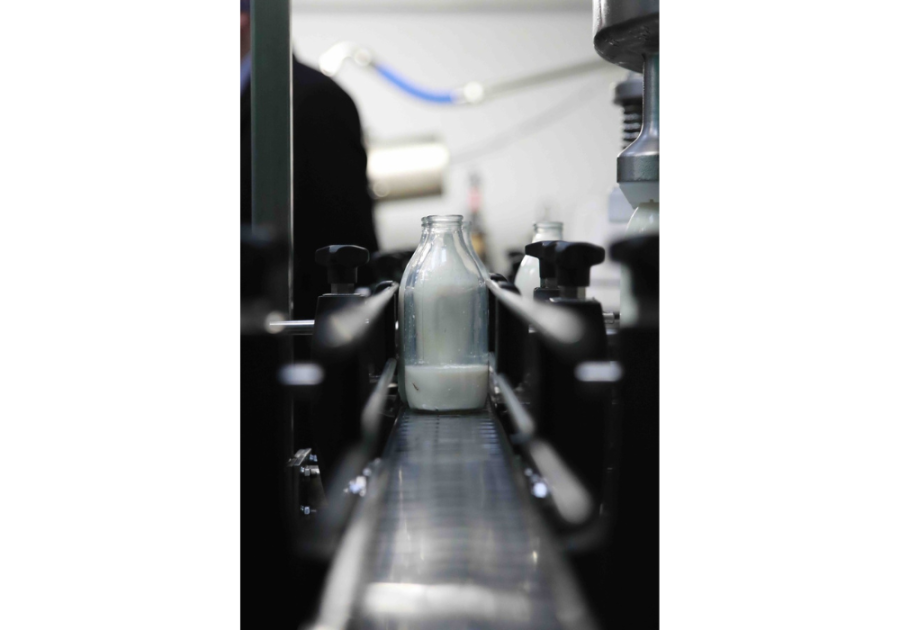
Credit: University of Western Scotland
The UK dairy sector risks being held back unless workforce skills and training can keep up with rapid advances in technology, a new report has warned. The assessment found that dairy businesses are increasingly adopting data-driven systems, automation, sensors and other digital technologies, but that workforce capability isn’t developing at the same rate.
Produced by the University of the West of Scotland (UWS) as part of the Scotland’s Rural College (SRUC)-led Digital Dairy Chain programme, the report: Digitalising Dairy: A Future Skills Needs Assessment for Productivity and Sustainability, highlights a growing need for practical, technical and data skills across farms and the wider dairy supply chain.
The report says dairy remains one of the UK’s most strategically important food production sectors, supporting food security, rural economies, exports and wider agri-food resilience. However, it also warns that future success depends on whether the workforce has the skills needed to use innovation effectively.
Lynne Somerville, skills development Manager at UWS, one of the report’s authors, says, “Dairy is changing very quickly. Across the sector, businesses are already using more data, digital systems, automation and sustainability tools, but workforce development hasn’t kept pace with that change.
“This report isn’t saying that technology is the only answer, but the future of dairy does depend on people having the skills and the confidence to use innovation effectively. Modern dairy careers increasingly combine animal care with food production and engineering, data and sustainability with business skills. That’s a powerful story, but we need to make it more visible to young people and to those who might never have considered dairy as a career.”
As dairy becomes more digital and data-driven, the report says the sector needs people who can combine traditional farming knowledge with technical, analytical and sustainability skills. It cites research showing that 84% of dairy farmers trying to recruit received very few or no suitably qualified applicants.
The report calls for clearer career pathways and practical training with stronger work experience routes, better rural connectivity and wider access for young people, women, career changers and ex-service personnel. It highlights work experience and clearer routes from education into employment as important ways of tackling skills shortages and raising awareness of careers in dairy.
The report was produced as part of the £21 million Digital Dairy Chain, a five-year UK Research and Innovation Strength in Places-funded programme led by SRUC to support innovation, productivity and growth across the dairy sector in Cumbria and South and West Scotland.