Low lactose milk is proving a winner
GERMANY – A ‘hidden’ milk market is being exploited with increasing success by two of Gemany’s top dairies.
Breisgaumilch, from the Black Forest, and south Bavaria-based Omira Oberland both launched low lactose milk last year, and are now reporting substantial sales. Omira has just announced a national listing for its Minus L version with a leading supermarket.
Low lactose milk, which has been produced and successfully marketed by Valio in Scandinavia for some years, can be enjoyed by people who are intolerant or allergic to lactose. It is estimated that at least 10% of the middle European population suffer from this problem. “The customer potential, people who have never before had the chance to become milk consumers, is very large,” commented one market analyst in Germany.
The products are being marketed conventionally, but from this month they are being supported through seminars and medical contacts to reach the many self-help groups for lactose-intolerant patients throughout Europe.
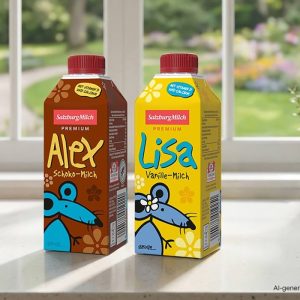
While this market is on the up, analysts are forecasting a substantial loss in market share over the next five years for conventional pasteurised drinking milk. Slowly but steadily gaining more market share, however, is UHT milk, which boasts a much longer fridge life – major processors are now advertising 16 days – attractive packaging and new heat treatment processes that do not alter the taste.
German ministry of environment and nutrition statistics show that the country’s packaged liquid milk consumption (retail and catering) has remained relatively stable at around 4.1 million tonnes annually for many years. But the proportion of UHT sales has increased in recent years to 65.8%. This development has been powered to a great extent by Friesland Coberco’s Domo Lang Lekker in Holland and the German version Lang Lecker, which introduced colourful packaging, direct steam sterilisation to eliminate the old UHT taint and 1.5 litre Tetra re-closable cartons. Nestle and a raft of other major drinking milk processors have since added their versions, making survival extremely hard for conventional pasteurised milk.