German dairy still volatile in 2014 but hits record output
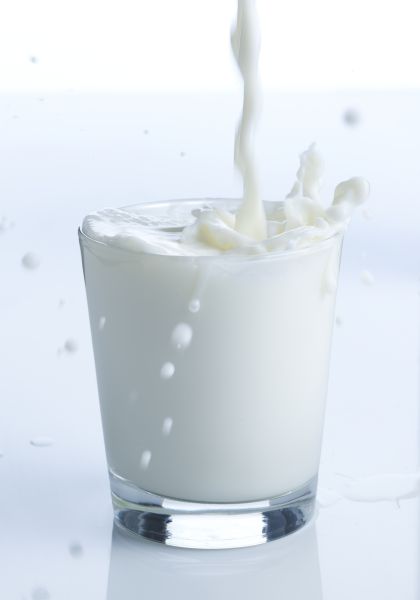
After a euphoric start to the year the situation in the dairy market in Germany has in the course of 2014 again significantly been found more volatile than in the previous year. The period of high prices, which had begun in spring 2013, came to an end in mid-2014, concludes Zentrale Milchmarkt Berichterstattung (Central milk market coverage) in Berlin, which collects and analyse the German milk market statistics.
The milk deliveries of German producers have risen sharply in 2014, according to ZMB. The growth has, with an increase of 3.4%, been much more distinct than in previous years. Milk production is estimated to reach a record high of 31.3 million tons.
In contrast to previous years, growth has been observed in all German states and in the south the producers have increased their deliveries again. In western Germany the growth in the first three quarters of 2014 had an increase of 4.4%, slightly more than in the new federal states in the east with an average increase of 3.5%. Deliveries of organic milk have been slightly smaller than that of milk in general, ZMB notes.
The higher milk delivery is due to increasing milk production, but again also to a growing dairy herd. In May 2014 4,311,000 dairy cows were counted in Germany. This was 2.1% more than around the same time last year and the highest number since the survey of the so-called HIT database started. Since 2010 the years with decline in dairy herds has stopped. This is probably a consequence of the higher quota due to the agrarian reform.
The structural change continues, however. The number of dairy farms had in May 2014 shrunk to 77,696, which within one year a decrease by 4.1%. The average number of cows per farm has increased to 55.5 animals and was thus 11 cows more than in 2010. The number of dairy cows has increased in all provinces and compared to last year most of all in Lower Saxony by 3.7%. Weakest growth was the 0.4% in Bavaria.
2014 is the last year in the history of the milk quota system in the EU, which will end on 31 March 2015. Towards the end of 2014 it was apparent that the country exceeded quota and therefore super charges will be higher in the last quota year than ever before, states ZMB. After the German farmers already in 2013/14 exceeded the quota by 1.9%, the current quota year shows a significantly greater excess with more than one million tons of milk.
In the three trading dates of 2014 a total of 809,582 tons of quota were traded in Germany. This was the highest amount that has been traded in a calendar year since the introduction of the quota exchange. Overall, the trade of quotas has from November 2000 to November 2014 reached a turnover of nearly €2 billion.