German sums up quota’s end
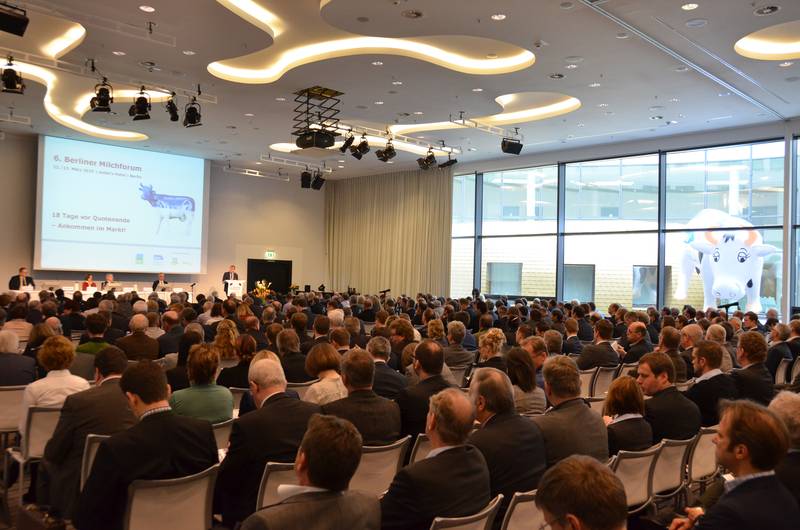
Like other EU countries, Germany exceeded the available national quota for milk deliveries this last quota year, although in recent weeks there has been a significant limitation in German milk production. This was one of many themes debated on the Berliner Milchforum, where the German milk sector summed up current affairs.
The euro crisis continues and the weak euro has boosted exports of milk and milk products. Due to the Russian embargo and the resulting downturn in exports to that country, other third country markets have been opened up and exports increased. Brussels has responded with aid and enabled private storage in autumn 2014, and this has had a stabilising effect on the market.
The international market developments depend not least on the climatic conditions and a sufficient food supply for cows. Meanwhile, milk producers in Oceania suffer relatively dry conditions and their milk delivery has fallen. As a result, prices have risen worldwide.
Milk prices at the producer level in Germany have regionally developed quite differently, due to the different structures of the processors. Milk price differences between the individual provinces have increased significantly in part on the previous year. After the excellent results of 2013 and 2014, a correction in the average milk price for the year is expected in Germany. Market observers see a recovery of the prices to farmers as of summer 2015.
For the German consumer, dairy products compared with international standards are still comparatively good. Low prices for milk and milk products have contributed to low inflation in Germany since the end of 2014. Due to the recovering of prices on the commodities market it must also be expected that consumer prices will increase in the coming months, so that the improved market conditions are reflected in better prices to milk producers.