Plastic pots and recycling
Credit: ange1011, stock.adobe.com
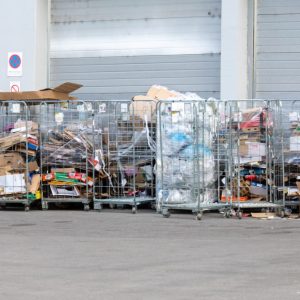
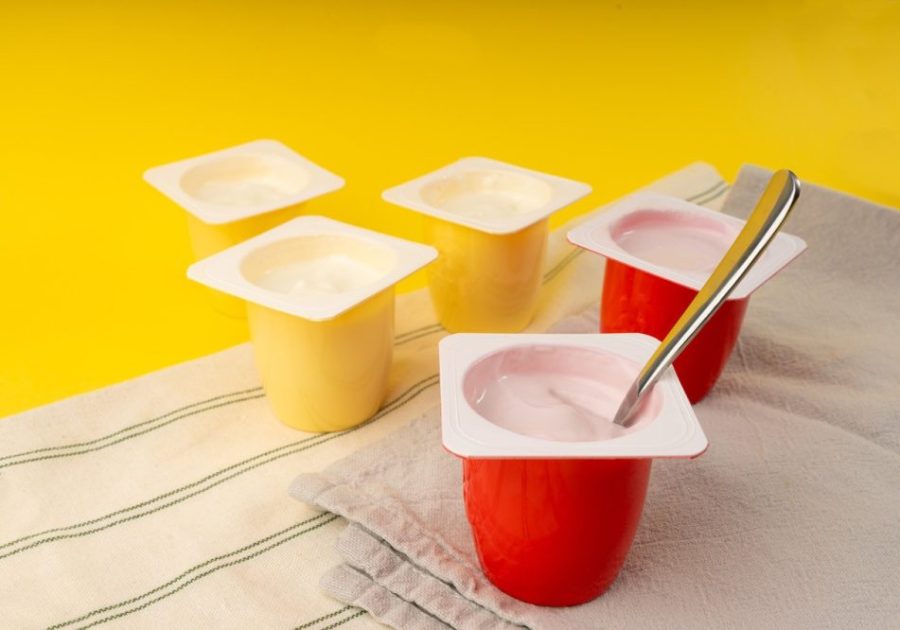
Amcor has lightweighted a one kilogram yogurt pot, and it is now down to 31.6g per unit for use in the British market. Meanwhile, a closed loop recycling plant is being built for bespoke supermarket plastic recycling in the midlands in the UK. Pretty much anyone who picks up a plastic pot nowadays can feel the difference in weights from even 10 years ago. On the other end, recycling in the UK has long been devolved to the local nations – England, Wales, Scotland and Northern Ireland. This was further broken down into councils and kerbside collection. Where it gets sticky is what can be collected. In the past, recycling systems have varied significantly between local authorities, creating confusion for both households and businesses about what can and can’t be recycled, and how, according to Reconomy, a recycling assistance company.
Now, this is set to change in England tomorrow, 31 March. The Simpler Recycling legislation being implemented by the UK government is a policy designed to standardise recycling collections across England.
For households, different local authorities collected different materials in different ways. Under these new rules, local authorities are still able to operate using differing configurations of collection model, such as kerbside sortation, or co-mingled recycling in larger dustcarts, but they must all collect the same materials from any household in England.
Under the framework:
- Businesses with 10 or more full-time-equivalent (FTE) employees must separate key recyclable materials (micro-businesses will be obligated from 2027).
- Waste collectors must ensure recyclable materials are collected and processed separately from residual waste.
- Local authorities must collect the same core materials.
Reconomy notes that the recycling rate for the country has stagnated, so between this and the introduction of a deposit return scheme across the UK (again devolved) in the coming years, the hope is that more of this material will be reprocessed for re-use. At the end of the day, it’s better to have these cans, plastic and glass bottles and other materials in the recycling loop, rather discarded in the streets and streams.
- Suzanne Christiansen, editor, Dairy Industries International. Keep in touch via email: [email protected] Twitter: @dairyindustries Linkedin: @dairyindustriesinternational