Codex limits ‘Parmesan’ use
The Parmesan name cannot be used as a term for generic hard cheeses for at least two years.
The fifth session of the Codex Alimentarius Commission on milk and milk products has decided to delay its decision on the use of the Parmesan name for two years.
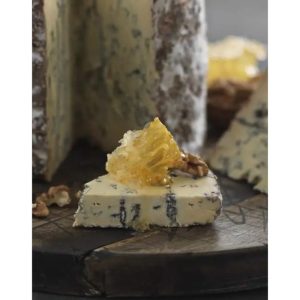
The decision effectively means that only members of the Parmigiano Reggiano consortium can produce Parmesan cheese. Members of the group produce cheese near Parma in Italy.
Parmesan is used widely as an ingredient in Italian-style products. It is the English name for the Italian Parmigiano cheese and is used as a generic name for hard cheeses.
In a statement, Italian farming minister Giovanni Alemanno said: “The Parmesan trademark is safe. After three days of meetings, Italy’s delegation managed to safeguard the Italian Parmesan trademark.” The Codex milk and milk products session, held in Wellington, New Zealand, in April, looked at several other dairy issues.
Delegates from India, Italy and Denmark voiced concerns about recommendations concerning dairy products where milk fat has been replaced with vegetable fat. The Commission has recommended that these products should clearly show that they are not suitable for infants and has set out guidelines for maximum levels of additives. This will be considered by the next Codex executive committee meeting in June.
The committee recommended that the Codex Commission adopt changes to some dairy product guidelines at its next meeting in July. The new guidelines set out maximum levels of additives in cream, fermented milk products and whey powders. They also state that cream made by reconstitution or recombination and cream subjected to heat treatment should be clearly labelled.
The Commission also called on the International Dairy Federation to prepare a discussion paper on cheese naming and labelling. The paper will be discussed at the next Codex milk and milk products meeting, due to be held in 2004.
Codex Alimentarius is a joint venture between the Food and Agriculture Organisation (FAO) and the World Health Organisation (WHO). It aims to provide guidance on food safety.
The FAO and WHO have also announced an evaluation of their joint food standards programme.
This includes the Codex Alimentarius Commission, which has changed little since it was formed 40 years ago. The FAO and WHO are calling for comments from the public. The evaluation is due to be completed in early 2003.