Smoky, functional cheese flavours
Cheese
What makes for an interesting value added product, and how manufacturers can cater to consumer trends while still keeping costs manageable, is part of Jamie Blake of Synergy Flavours’ remit. Here, he spoke with Dairy Industries International about the portfolio ingredients that are helping to make new products a reality.
Q. What are your customers asking for in cheese?
There are three main trends really I think that our customers are after. The first one is all around taste. They are really looking for authentic taste and texture and to give more of a premium feel to cheese. We are sticking close to consumer expectations for cleaner labels. As many as 65% of consumers in the Mintel survey in Germany said that long ingredients lists are off-putting. I think that’s a good reflection of many otherWestern Europe markets. Authentic cheese taste and texture is definitely the first trend of three, but obviously within today’s modern consumer trends.
Q. What have you developed that will actually meet these needs?
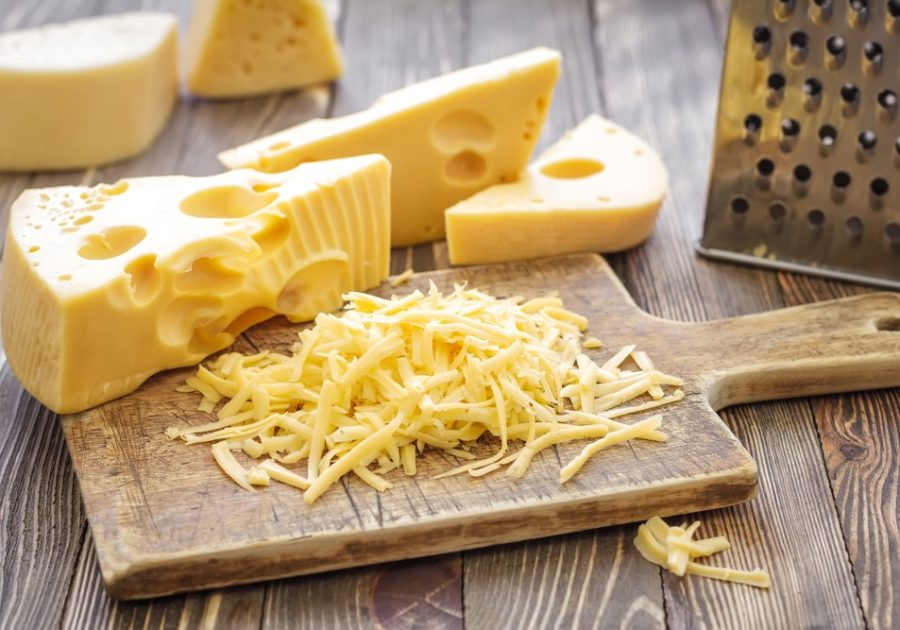
It’s a modern day trend around making that authentic cheese taste in added value products such as functional cheese, which is another trend. What we have done in meeting this consumer need is a more robust, more complete, dairy taste toolkit that brings together our portfolio. Our existing range offers standard liquid cheese top notes, but also additions such as cheese flavour concentrates.
These concentrated cheese flavours are deriving from the natural source of milk. Synergy is part of the Carbery Group, which is a dairy cooperative. We have the advantage of having a full supply chain in-house. Our cheese flavour concentrates offer proprietary lactic yeast technology, which is suitable for a number of applications, and also taste modulation solutions, which are probably the most recently developed of the trends. For example, looking at masking in high protein cheese, functionality and kind of value added mouthfeel properties as well.
These are the main areas we have been focusing on in recent years to match and stay close to these consumer trends. We’re also seeing a bit of activity around flavouring cheeses. Spicy smoke flavouring seems to be quite quite trendy at the moment, so we’re looking at smoked cheese – maybe it’s the barbecue weather driving that trend.
Q. What future trend will be coming up next that you’re going to have to supply?
I don’t envisage this authentic taste and texture going away anytime soon. There’s been an improvement definitely in the last number of years and that will only intensify as we go into the future.
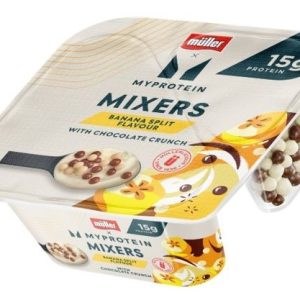
We are also seeing high protein, across the whole food and drink spectrum, and cheese is no different. A successful example is the recent resurgence of cottage cheese in the UK and US. Consumers are looking for high protein, low fat, trendy, portable, on-the-go convenience. That’s certainly something that will stay, I think. One of the key issues going going forward is really how the industry will continue to deliver that authentic kind of cheese taste experience, and combining that with functionality. It’s about finding that balance between the two.
That’s what our cheese flavour concentrates tend to replicate. At a time where the cost is relatively really high, we have worked with customers and been able to drop the total cheese level and partially substitute it with cheese flavour concentrates. They are declared as natural flavours, so it allows our consumers to optimise in cost, but maintain that authentic cheese delivery.
Yogurt’s the same, as it can be very astringent, so we are looking at developing masking solutions as part of our taste modulation portfolio to address that.
Q. What challenges do hybrids have for formulating?
It’s an interesting area. It has passed from traditional dairy to plant-based and now come back in the middle to hybrids. We have been paying close attention to it over the last few years. It brings new taste and texture challenges – around creaminess, mouthfeel and masking. There are three key areas where we have identified in hybrids, where the full consumer experience of dairy and what they’re used to, is coming into contact with formulation realities. It is a hybrid situation. Texture, mouthfeel and creaminess are where we envisage manufacturers having challenges.
Q. Where are you looking at growing geographically?
We have a strong presence across both Western and Eastern Europe, and we have a site Northeast Italy that serves that market quite well. In addition to the UK and Ireland, we also serve the Nordics, Benelux, and countries such as France. We do business in the Middle East and it is a focus for us. We’re looking constantly to develop our presence across the across the globe, really. We have the benefits of many sites globally with Carbery, and we are working to our strengths within our group to establish ourselves in existing and in new markets going forward.