Production declines and MIV says revenues rising
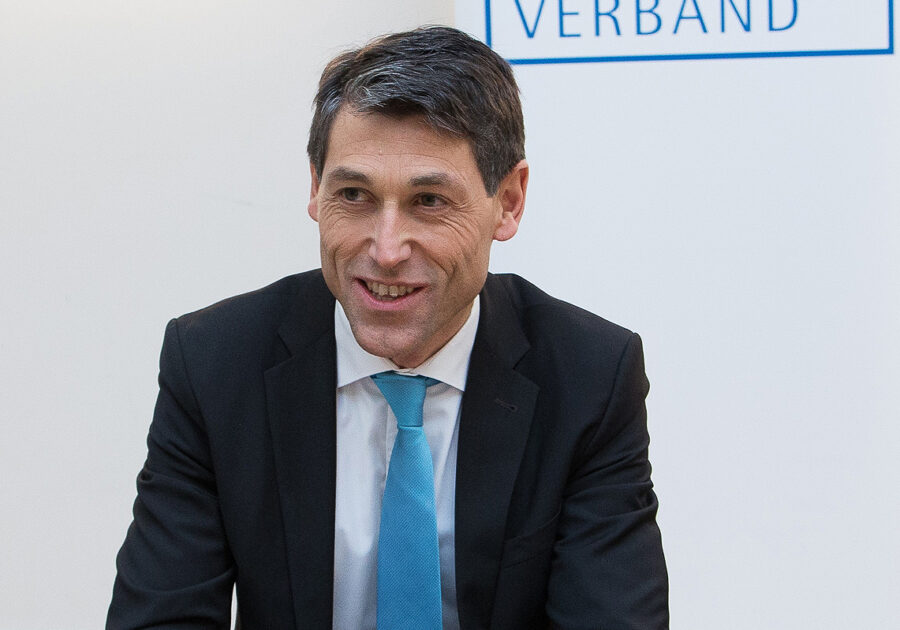
“The market is working and responding. The amount of milk has declined and after a long time the milk market is finally moving up again,” says chairman Peter Stahl at the German Dairy Industry Association’s (MIV) annual meeting in Berlin.
Revenues for German dairy products are rising, while at the end of September, milk deliveries were well below 4.1% in Germany versus the previous year. Volumes have continued to drop.
Depending on the product use and duration of the contracts, each dairy will differ in how quickly this development can be reflected in the payment prices to the farmers, he notes.
In the semi-annual German food retail contracts of the white line, eg, drinking milk, significantly better prices this winter are being reported.
Christmas shopping is helping the butter market, because the production of baked goods is already up and running. The orders for packaged butter are improving after a price increase at the beginning of October. However, the price level for butter has already reached its limit, and customers from the processing industry are more likely to wait.
The same is to be feared for the consumer side in Germany. Lower consumer prices have only led to a limited increase in consumption and the impact of price increases on purchasing behaviour is currently difficult to predict, MIV says.
The lively demand for cheese in Germany affects a comparatively scarce supply. Requests for exports of German cheese (January-July: +7.92 %) cannot always be met.
The lower availability of raw milk and the demand from both consumers and exports, which has been stable in the recent past, will lead to rising producer prices in the medium term. Many dairies are already indicating that a milk price of over €0.30 per kilogram of raw milk may soon become a reality in Germany.
“Only the market for milk powders is proving to be stable. A reason is not least the more than 350,000 tons of skimmed milk powder, which the EU has intervened in for market relief,” Stahl points out.
“We must be mindful and understand the market. A short-term overheating with very high prices can cause problems for us in the medium term due to customers holding back, especially in export. However, I am confident that the German dairies in understanding with their milk producers will cope with it,” concludes Stahl.