A taste of the future
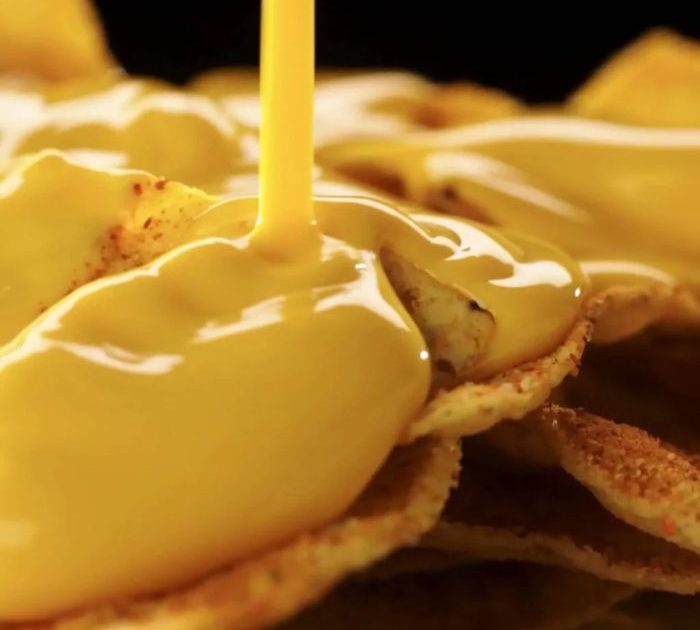
Credit: Edlong Corporation
Dairy flavours have become more popular around the world as a result of their ability to improve health and longevity. It refers to additives designed to impart specific tastes associated with various dairy products. These flavours enhance the sensory profile of food and beverage items, providing characteristic notes of cheese, butter, milk, cream, or other dairy commodities. The major application areas are bakery and confectionery, dairy and frozen desserts, beverages, soups, sauces, dressings, dips, snacks, ready-to-eat meals, yogurt and more. The global dairy flavour market in 2024 was valued at US$4.6 billion (€3.8bn). The market value is expected to reach US$6.4 billion (€5.4bn) by 2030.
Due to rising disposable income and improved lifestyle, consumers have started to spend on non-essential goods, including premium and value-added food products like gourmet ice cream and cheese, which naturally drives the demand for dairy flavours. Some other factors driving the rise in dairy flavours demand include the rising concern towards health and wellness and widespread application of dairy flavours.
Additional trends include the use of artificial intelligence in flavour development, introduction of plant-based flavours, and clean-label and natural flavours promoting health and wellness. With the rise of veganism and lactose intolerance, the market is witnessing a surge in non-dairy alternatives to milk-based flavours, such as plant-based and nut-based flavours such as soy and almond drinks. In the coming years, these improvements or trends are expected to significantly stimulate demand for dairy flavours. The global dairy flavour market value is projected to grow at a CAGR of 5.64%, during the forecast period of 2025-2030.
Market segmentation
Type: The global dairy flavour market is segmented into five segments based on flavour type – cheese flavour, milk flavour, butter flavour, cream flavour and other flavours. Cheese flavour segment acquired majority of share in the market in 2024 and is the fastest growing segment as well, primarily due its widespread application, and popular use of cheese flavouring on products such as popcorn, potato chips, and other snack foods with powdered coating. Also, growing global interest in diverse cuisines contributes to the demand for different cheese flavours in various dishes. Further, the future trend towards artisanal and specialty cheeses may influence the development of unique and premium cheese flavours and with the rise of plant-based diets, there might be an increased demand for plant-based cheese flavours during the forecasted period.
Form: The global dairy flavour market is divided into three forms: liquid, powder and paste. Liquid form acquired majority of the market in 2024 primarily because it offers ease of mixing and blending. Since, liquid dairy flavours are often concentrated, and are versatile for incorporation into various food and beverage applications, so the growth of food and beverage industry contribute to the growth of this segment. Also, development of liquid dairy flavours with added functional elements, such as probiotics or health-enhancing ingredients and the trend towards plant-based flavours and clean-label organic flavours will contribute to this segment’s demand during the forecast period. The powdered dairy flavour segment is expected to register fastest growth due to longer shelf life and ease of storage. Also, growing demand of clean-label powders and instant beverages like tea premix, coffee premix will further contribute to the growth of this segment.
Nature: Based on nature, the global dairy flavours market can be segmented as natural and artificial. Natural dairy flavours acquired the majority of share in the market in 2024 and is the fastest growing segment as well since natural flavours provide an authentic and true-to-source taste, appealing to consumers seeking genuine dairy experiences. Consumers’ preference for natural and minimally processed products, and introduction of new flavours with more sensational taste are some other factors propelling the growth of natural dairy flavours.
Application: The global dairy flavour market is split into six applications: bakery and confectionery, dairy and frozen desserts, beverages, soups and sauces, dressings and dips and others. Bakery and confectionery acquired the majority of share in the market in 2024 due to a confluence of factors. Products, ranging from cakes and cookies to chocolates, enjoy widespread popularity and are often associated with indulgence and celebration. Dairy flavours, with their rich and versatile profiles, seamlessly enhance the taste and texture of these treats, contributing to their sensory appeal. However, the beverages segment is expected to register the fastest CAGR during the period because of heightened focus on health and wellness, as consumers increasingly seek beverages that strike a balance between nutritional value and indulgence. The diversification of dairy-based drinks, including milkshakes, smoothies, and flavoured milk, contributes to a dynamic and expanding market.
Region: The Asia Pacific dairy flavour market held the highest market share in 2024 and is expected to grow at the fastest rate as well. The growth is attributed to economic development, disposable income, and increasing preference for healthy, protein-rich food. The region’s abundance of raw materials and growing health awareness are driving the market growth. Consumers are willing to pay higher prices for dairy flavour products in countries such as India, China and Japan.
China is the Asia Pacific’s strongest market for dairy flavour because of availability of ample opportunities for various industries like bakery and confectionery to grow, efficient distribution channels such as e-commerce and the consumer shift towards healthy food options. On the other hand, India stands as one of the fastest-growing markets in Asia-Pacific, where consumers are not willing to compromise on the taste and health factors of food. The Indian subcontinent has a massive demand for regional and traditional flavours, which is fuelling market growth.
North America is also a major market for dairy flavours, with the US leading the way. The industry has seen growth due to technological advancements, rising demand for healthy food, and research by major players. The demand for cheese is driving the growth, with over 300 cheese varieties produced in the region. According to The US Department of Agriculture (USDA) Economic Research Service (ERS), the North Americans consumed 655 pounds of dairy products in 2020, but consumption has risen to 667 pounds in 2021. Food and beverage industry players like Buds, Dairy Chem, and The Edlong Corporation are focusing on launching new products with dairy flavours, which is expected to drive market growth further.
Market dynamics
Growth drivers: Urbanisation and changing lifestyles have led to a surge in the demand for convenient, diverse and innovative dairy products, resulting in a surge in the dairy flavour market, which includes snacks, ready-to-eat meals, and beverages. This shift in dietary preferences creates opportunities for the development and sale of dairy flavours. Also, urban dwellers often have different dietary habits compared to those in rural areas. The fast-paced urban lifestyle may lead to a higher demand for pre-packaged food items, including flavoured dairy products. Further, the market is expected to increase due to rising disposable income, e-commerce growth, rising consumer awareness, wide scope of application, and growth in the food and beverage industries.
Challenges: Complexity in extraction and processing of dairy flavours can present challenges for the dairy flavour market. Natural dairy-derived flavours are complex due to their sensitivity to chemicals, heat, and variability. Large-scale production faces challenges in maintaining consistent flavour profiles because factors like animal diet, breed, and location also impact flavour profiles. Dairy flavours contain fats and proteins, complicating extraction, and processing. Finding efficient methods without artificial additives and food safety is a complex task. Other challenges that the dairy flavour market faces is fluctuations in availability of raw materials and side effects associated with dairy flavours.
Trends: A major trend gaining pace in dairy flavours market is enzyme-modified dairy flavours. Enzyme-modified ingredients are extracted through an enzymatic process, enhancing the flavour and aroma of dairy products. These flavours, such as cheese, butter, cream, and ghee, have a 15-30 times stronger taste than traditional ingredients. The market for these flavours is expanding due to the increasing demand for dairy-based beverages, particularly in South and East Asia. The intense flavour, creamy texture, and extraordinary mouthfeel of these ingredients make them a key raw material in many products. The growing demand for these flavours is driven by changing lifestyles and a vast population. More trends in the market helping the growth of dairy flavours market during the forecasted period include use of artificial intelligence in the development of flavours, rising popularity of yogurt, introduction of plant-based and non-dairy dairy flavours, clean label and natural flavours, global and exotic flavours.
Companies involved
Key players are: Kerry Group, International Flavours & Fragrances, Jeneil Biotechnology, McCormick & Company, Edlong Corporation, Synergy Flavours, Bluegrass Ingredients, Flavourade India, Butter Buds, Flavourjen, H.E. Stringer Flavours and HL Commodity Foods.
The key players are constantly investing in strategic initiatives, such as adoption of new technologies, introducing their services to emerging markets, collaboration, investment, and more, to maintain a competitive edge in this market. For instance, Butter Buds recently has introduced Butter Buds Non-Dairy 32X, a water-soluble flavour solution that mimics the taste and texture of butter without the dairy allergen. This solution is ideal for non-dairy foods, catering to over half of American adults who consume dairy alternatives. The solution meets sustainability requirements.
For more information visit: www.researchandmarkets.com/reports