Who is to blame
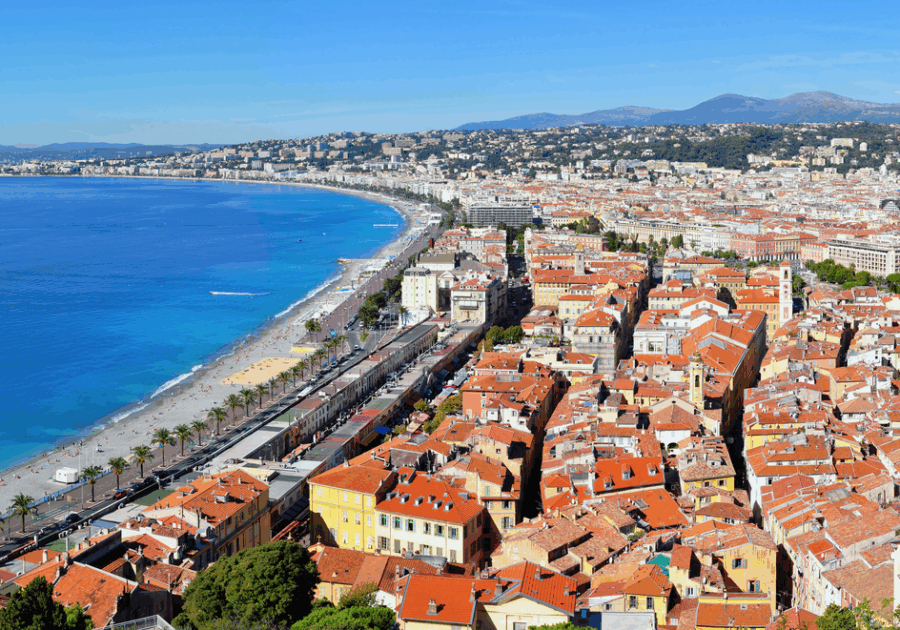
It is a measure of the stress the agricultural and dairy industries have been under during the past two years, when I witnessed a dustup between EU Agriculture Minister Phil Hogan and Hochland’s CEO Peter Stahl at the European Dairy Association’s Annual Congress in Nice, France. In response to Stahl’s discussion on the tightness of the cream market and how it is impacting his cheese production, Hogan noted that “It is not sustainable for farmers to get 20 to 22 eurocents per litre. Sustainability is not just about the companies, it’s about the farmers. Europe intervened to manage the supply and demand, and I was the only one you were competing with this year.”
At any rate, farmgate prices are now on the increase, and farmers will be having a well-deserved break from the low prices. This is a good thing, even if it means processors are paying more for raw materials, I feel. However, was unrestrained overproduction a good thing in the four countries that did it in the wake of the quotas? In retrospect it wasn’t probably the best idea, but there were a lot of unforeseen events, such as China and Russia, and once you turn on the spigot of production with dairy, it is a slow-moving thing to turn off.
It does seem that there is a never-ending round of finger pointing on the dairy supply chain – farmers point to processors who point to retailers, who then say consumers won’t pay more for the products. Hm. But consumers will pay more for things that they perceive have added value, everyone agrees.
I have been covering this industry for more than 11 years now and I still don’t have any answers that will satisfy everyone in the supply chain. We operate in a field where it is not as simple as turning off an oil well, or not mining that seam. Cows don’t operate that way. And with all the quotas and restraints on free trade easing in Europe, we have to learn to be more like South Africa and New Zealand – able to make a profit and produce in a world where Jaime Castaneda, senior vice president of the US National Milk Producers Federation notes, “Volatility is here to stay, and heavy intervention makes it worse.”